
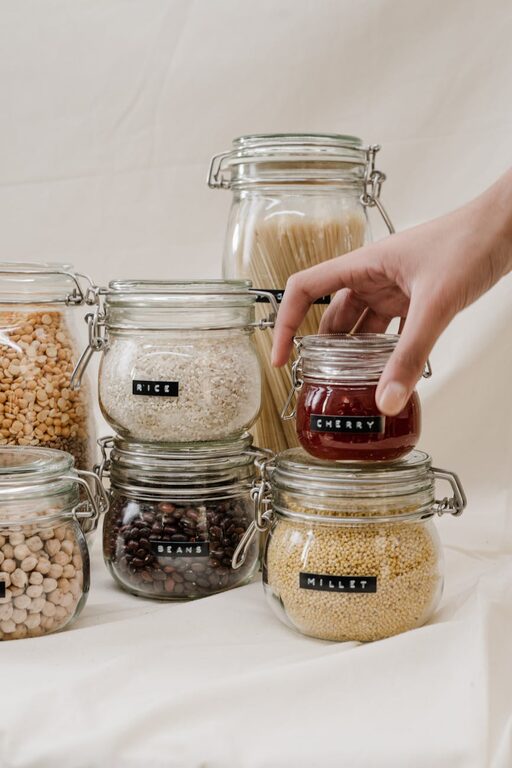
Planning meals around pantry staples is a smart way to simplify cooking, save money, and reduce trips to the grocery store. Your pantry likely holds a variety of ingredients that can be combined in numerous ways to create tasty and nutritious meals. This guide will walk you through how to assess your pantry, plan meals effectively, and make the most of what you already have.
Why Plan Meals from Pantry Staples?
Using pantry staples for meal planning is convenient and economical. It encourages creativity in the kitchen and helps prevent food waste by using ingredients you already own. Pantry-friendly ingredients often have a long shelf life, making them perfect for quick meal preparation when fresh ingredients are low or unavailable.
Step 1: Assess Your Pantry Inventory
Before planning meals, take stock of what’s in your pantry. Organize the shelves and note the quantities of each item. Common pantry staples include:
– Grains: rice, pasta, quinoa, couscous, oats
– Canned goods: beans, tomatoes, vegetables, tuna, broth
– Baking essentials: flour, sugar, baking powder, yeast
– Oils and vinegars: olive oil, vegetable oil, balsamic vinegar
– Spices and herbs: salt, pepper, garlic powder, paprika, dried oregano
– Nut butters and condiments: peanut butter, soy sauce, mustard
Creating a list of these will help you visualize what you can use and inspire meal ideas.
Step 2: Identify Meal Categories
Thinking in terms of meal categories helps structure your planning. Consider the following groups:
– Breakfasts: oatmeal, pancakes, toast with nut butter
– Lunches: soups, salads with beans or tuna, pasta dishes
– Dinners: one-pot meals, casseroles, stir-fries
– Snacks: trail mix, crackers with cheese, roasted chickpeas
By matching pantry staples to these categories, you’ll find it easier to mix and match ingredients.
Step 3: Use Flexible Recipes
Choose recipes that are versatile and adaptable based on your pantry contents. Here are some ideas:
Soups and Stews
Canned beans, canned tomatoes, and broth can create hearty soups. Add spices and any fresh or frozen vegetables you have on hand.
Pasta Dishes
Pasta is a classic pantry staple. Toss cooked pasta with olive oil, garlic, canned tomatoes, and herbs or mix in beans or tuna for protein.
Grain Bowls
Cook rice or quinoa and top with canned beans, veggies, and a simple dressing made from pantry staples like olive oil and vinegar.
Stir-Fries
Use oils and spices along with canned or frozen vegetables and a protein such as canned tuna or beans.
Step 4: Plan a Weekly Menu
Now that you know what you have and your meal categories, create a weekly menu. Keep it simple:
– List your meals for each day (breakfast, lunch, dinner)
– Note if you need to supplement with fresh items
– Consider batch cooking meals like soups or casseroles that can last several days
Planning ahead means less stress each day and reduces spontaneous grocery shopping trips.
Step 5: Shop Smart to Supplement Your Pantry
When your pantry runs low or you want fresh ingredients, shop with your meal plan in mind:
– Buy versatile fresh produce that complements pantry foods (e.g., onions, garlic, carrots)
– Choose long-lasting fresh items like potatoes or carrots
– Pick proteins that store well or freeze, such as chicken breasts or tofu
This approach keeps your kitchen balanced between staples and fresh ingredients.
Extra Tips for Success
– Rotate pantry items: Use older items first to keep stock fresh.
– Keep a running list: Add to your inventory list as you use items or restock.
– Experiment: Don’t be afraid to substitute similar ingredients or spices.
– Batch prep: Prepare grains or beans ahead of time to save cooking time during the week.
– Use leftovers: Incorporate extra cooked ingredients into new meals like salads or wraps.
Sample Pantry-Based Meal Plan for a Day
– Breakfast: Oatmeal topped with a spoonful of peanut butter and a drizzle of honey
– Lunch: Tuna salad with canned tuna, olive oil, vinegar, canned beans, and dried herbs, served with toast
– Dinner: Pasta in tomato and garlic sauce made with canned tomatoes, olive oil, and spices, plus a side of sautéed canned or frozen vegetables
Conclusion
Planning meals from pantry staples is a practical, budget-friendly, and creative way to manage your kitchen. By assessing what you have, organizing meals thoughtfully, and choosing flexible recipes, you can enjoy a variety of satisfying dishes with less effort. Start today by taking stock of your pantry and imagining the delicious meals waiting to be made from simple, everyday ingredients.