
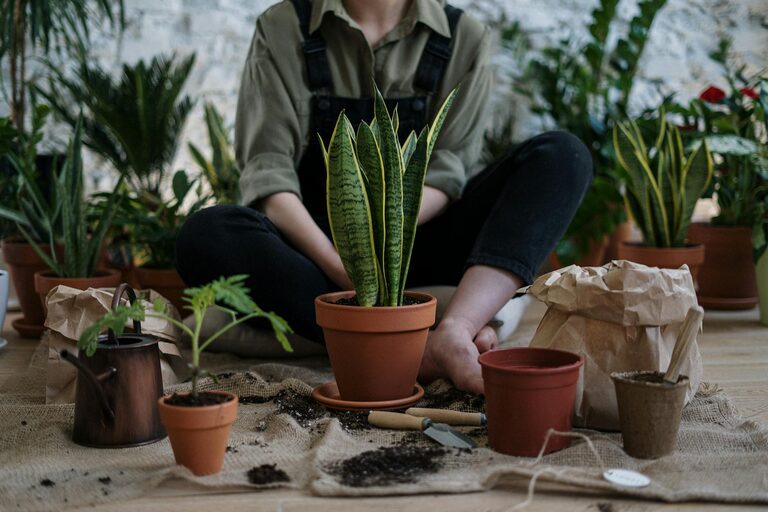
Starting an indoor herb garden is a rewarding and practical way to bring fresh flavors to your kitchen while brightening up your living space. Whether you have a windowsill, a balcony, or just a compact corner, growing herbs indoors can be both enjoyable and surprisingly simple.
In this guide, we’ll walk through everything you need to start your own small herb garden indoors, from choosing the right herbs to care tips that help them thrive.
Why Grow Herbs Indoors?
Indoor herb gardens offer several advantages:
– Fresh, organic herbs year-round
– Convenient access for cooking
– Improved indoor air quality
– Adds greenery and life to your home
Plus, growing herbs indoors doesn’t require a lot of space, making it perfect for apartments or homes without outdoor gardens.
Choosing the Right Herbs for Your Indoor Garden
Some herbs are better suited to indoor conditions than others. Here are popular options that thrive indoors and are easy for beginners:
– Basil: Loves sunlight and warmth. Great for pesto and pasta.
– Parsley: Tolerates moderate light and frequent watering.
– Mint: Grows quickly and can tolerate some shade.
– Thyme: Thrives in well-drained soil and moderate light.
– Chives: Need plenty of light, perfect for garnishes.
– Cilantro: Prefers cooler temperatures and bright light.
– Oregano: Likes a sunny spot and well-drained soil.
Try starting with 2 or 3 herbs to keep it manageable.
Essential Supplies You’ll Need
Before planting, gather these supplies:
– Containers: Pots with drainage holes. Sizes vary but 4-6 inches wide is good for most herbs.
– Potting mix: Use a well-draining, lightweight potting soil designed for indoor plants.
– Herb seeds or starter plants: Seeds are economical; starter plants give quicker results.
– Grow lights (optional): If natural sunlight is limited, LED grow lights provide needed light.
– Watering can or spray bottle: For gentle, regular watering.
– Labels or markers: To remember what you planted where.
Setting Up Your Indoor Herb Garden
1. Choose the Best Location
Most herbs need 6-8 hours of sunlight daily. South or west-facing windows usually offer the best light. If natural light is limited, a grow light positioned 6-12 inches above plants can replace sunlight.
2. Prepare Your Containers
Fill pots with potting mix, leaving about an inch of space from the top. Ensure the containers have drainage holes to prevent waterlogging, which can damage roots.
3. Planting Seeds or Starter Plants
– For seeds:
– Follow packet instructions on planting depth and spacing.
– Moisten the soil before planting.
– Cover seeds lightly with soil.
– For starter plants:
– Gently remove the plant from its nursery pot.
– Loosen roots slightly if crowded.
– Plant at the same depth as it was in its original container.
4. Water Wisely
Water immediately after planting to settle the soil. Keep the soil consistently moist but not soggy. Check soil moisture regularly by sticking your finger about an inch in; water when it feels dry.
Caring for Your Indoor Herb Garden
Light and Temperature
Herbs perform best in temperatures between 65°F and 75°F (18°C to 24°C). Avoid placing pots near drafts or heat sources like radiators.
If natural light is insufficient, use grow lights for 12-16 hours a day to mimic sunlight.
Watering Tips
– Water when the top inch of soil feels dry.
– Avoid overwatering; soggy soil attracts mold and root rot.
– Use pots with drainage holes to allow excess water to escape.
Feeding Your Herbs
Apply a balanced liquid fertilizer every 4-6 weeks during the growing season. Dilute it to half strength to avoid overfeeding.
Pruning and Harvesting
Regularly pruning encourages bushier growth. Harvest herbs by snipping leaves or stems just above a leaf node — this helps the plant grow back fuller.
Avoid removing more than one-third of the plant at a time.
Troubleshooting Common Problems
– Yellow leaves: May indicate overwatering or lack of nutrients.
– Leggy growth: Usually due to insufficient light.
– Droopy leaves: Check for root rot or underwatering.
If pests appear, such as aphids or spider mites, wipe leaves gently with soapy water or use an insecticidal soap safe for edible plants.
Expanding Your Herb Garden
As you gain confidence, try adding new herbs or experimenting with container arrangements. Hanging planters, tiered shelves, and windowsill boxes can help optimize space.
Final Thoughts
Starting a small herb garden indoors is a fun and fulfilling project that enhances your cooking and your living space. With the right light, water, and care, you’ll enjoy fresh herbs all year round — no green thumb required!
Happy gardening!